Stakeholder Engagement: Building Trust, Reducing Risk and Creating Sustainable Development Outcomes
Across South Africa, organisations are increasingly expected to demonstrate that their development initiatives deliver meaningful and lasting benefits. Whether the focus is a Social and Labour Plan (SLP), Environmental, Social and Governance (ESG) infrastructure development, a community investment programme, or a broader social performance strategy, one factor consistently influences success: the quality of stakeholder engagement.
Too often, projects encounter delays, resistance, or conflict because engagement with stakeholders takes place too late, or is approached as a compliance exercise rather than a relationship-building process. It is imperative that communities are informed, consulted, and involved in decisions and development programmes that affect their lives. Industrial corporates such as mining companies, in turn, need reliable information, local insights, and trusted relationships with stakeholders and communities to implement social and economic development projects effectively.
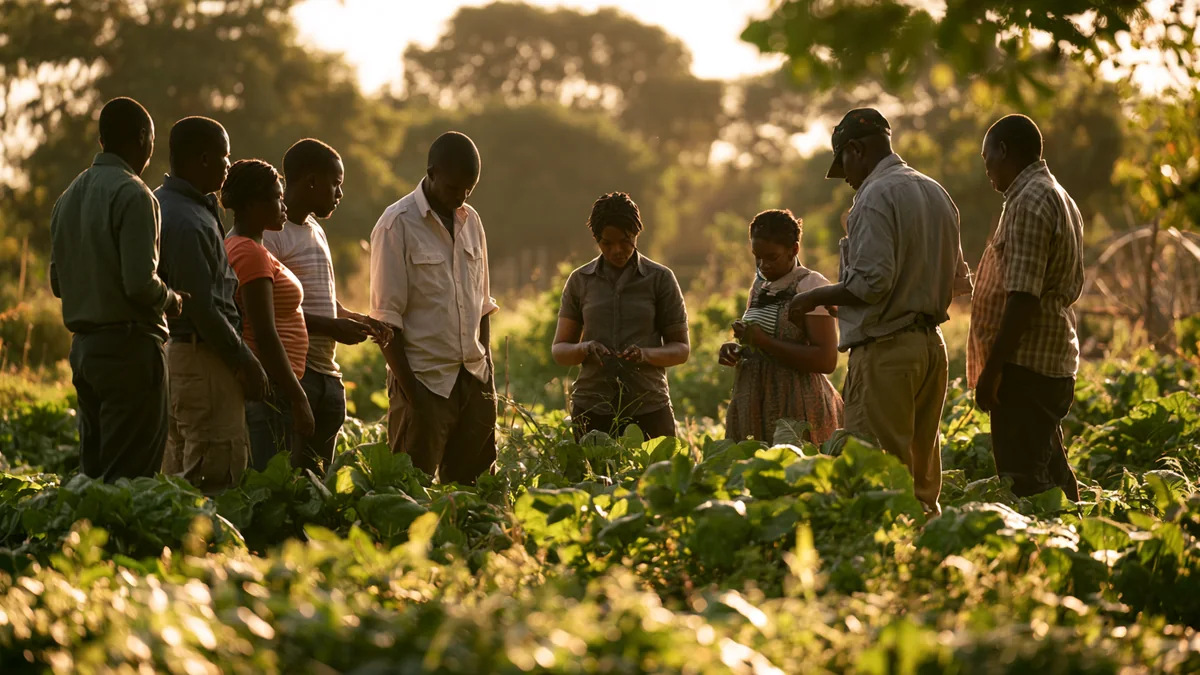
Meaningful stakeholder engagement helps bridge this gap by creating opportunities for participation, collaboration, co-creation and shared decision-making around sustainable development. At its core, participatory people-centred development recognises that communities are not simply beneficiaries of development initiatives; they are partners in shaping them.
Why Stakeholder Engagement Matters
Stakeholder engagement processes provide organisations with an opportunity to understand the perspectives, concerns, priorities, and aspirations of the people who may be affected by their development projects and corporate operations.
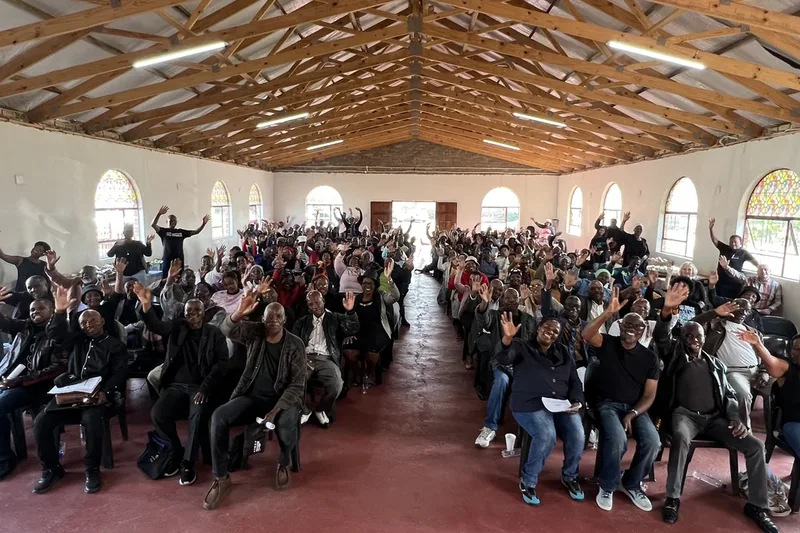
In the mining sector, for example, stakeholder engagement plays a critical role in building and strengthening relationships, and building social licence with host communities, local government, traditional leadership structures, community-based organisations, and other interested and affected parties, based on sustainable social impact programmes through SLPs. Umsizi has written separately on the compliance requirements for broad-based engagements in mining. The same principle applies to infrastructure projects, social investment programmes, renewable energy developments, and municipal planning initiatives.
When stakeholders are engaged effectively, this can:
- build trust between organisations and communities
- improve transparency and accountability
- identify risks before they escalate into disputes
- strengthen project planning and decision-making
- increase community ownership and reduce dependency
- improve the sustainability of development outcomes through co-creation and shared vision
The value of engagement extends far beyond meeting regulatory requirements. It contributes directly to stronger relationships and better development outcomes.
The Importance of Listening Through Dialogue
One of the most valuable aspects of stakeholder engagement is dialogue and social compacting based on agreed outcomes.
Multi-stakeholder dialogue is more than simply sharing information. It is a two-way process that allows community members and stakeholders to express their views, ask questions, raise concerns, and contribute local knowledge and lived experience. Through dialogue, organisations gain a deeper understanding of community realities, development priorities and potential challenges, generate awareness, build understanding, achieve commitment and agree on collective actions.
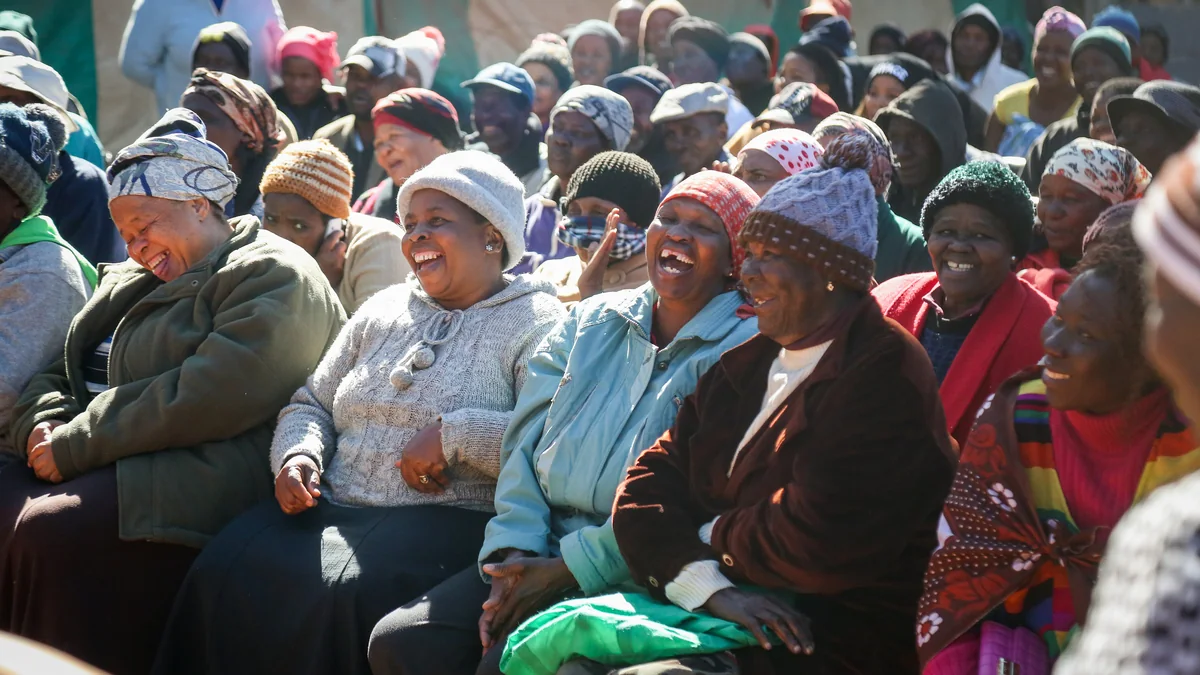
Communities possess knowledge that cannot always be captured through reports, statistics, or desktop research. Local people understand local challenges, opportunities, historical context, and the realities of daily life in the social, cultural, political and economic environments. By creating spaces for open and respectful conversations, organisations can make better-informed decisions that reflect genuine community needs and aspirations. In turn, this can create a safe space for mobilising stakeholders towards co-creating sustainable social and economic development solutions that affect their future.
Meaningful dialogue also helps build trust and credibility. When people feel heard and respected, they are more likely to support development initiatives and participate in their success. This also provides an integrated landscape for connecting differing and relevant mandates and representation into achieving impact-driven framing and outcomes.
Collaboration Creates Better Development Outcomes
Sustainable development is rarely achieved through a top-down driven approach.
The most sustainable initiatives are often those that embrace collaboration with relevant stakeholders from the outset. Collaboration encourages stakeholders to work together in understanding problems, identifying priorities, developing solutions, and monitoring progress over time.
This approach helps ensure that development initiatives are grounded in local realities and that they achieve participation of communities, while remaining aligned with organisational objectives and available resources.
Community members, local businesses, municipalities, traditional leaders, and civil society organisations all bring valuable perspectives that can strengthen project planning and implementation. By working together, organisations move beyond consultation, and begin building sincere partnerships that support long-term success towards a shared vision where all stakeholders participate in the programme. This is the difference between consultation and partnership that Umsizi has explored in its work on engaging stakeholders in socio-economic development.
Stakeholder Engagement and Social and Labour Plans
Within South Africa's mining industry, SLP engagements remain one of the most important examples of meaningful participation of stakeholders and communities in Local Economic Development (LED).
SLPs are intended to contribute to socio-economic development and improve the quality of life within mining host and labour-sending communities. Achieving these objectives requires more than selecting projects and allocating budgets. It requires a clear understanding of community priorities and development needs.
Effective SLP engagements provide a platform for discussing local challenges, identifying opportunities, and aligning development initiatives with community expectations and sector, government and municipal planning frameworks. They help ensure that projects are informed by robust assessment of the development needs of the people they are intended to benefit, and drive awareness and capacity building so that targeted communities can benefit effectively from LED projects.
When undertaken properly, SLP engagements can strengthen relationships between mining companies and communities through improving social licence, social impact, and the sustainability of development investments.
Understanding Social Impact Through Engagement
Economic and social development investments or projects will always impact communities. Some impacts may be positive, while others require careful management and mitigation, to avoid adverse socio-economic impacts.
Stakeholder engagement helps organisations understand how projects may influence livelihoods, employment opportunities, access to services, local businesses, social, economic and cultural dynamics, social cohesion, and overall community wellbeing.
By engaging stakeholders throughout a project's lifecycle, organisations can identify potential risks, better understand community concerns, and uncover opportunities to maximise positive outcomes. This information is invaluable for identifying and assessing social and economic — and environmental — impacts, development planning, and ongoing project improvement.
Ultimately, sustainable engagement of stakeholders and communities supports better decision-making that ensures development initiatives contribute positively and practically to people's lives. This should follow a theory of social change framework towards sustainable development.
Why Inclusive and Broad-Based Engagement Matters
Communities are diverse, and no single group can represent every perspective.
For this reason, broad-based engagement is essential. Different groups within a community often have different experiences, priorities, and concerns. In other words, “community” should not be treated as a homogeneous entity: it consists of complex and integrated, diverse categories of people and interests. Youth, women, traditional leaders, local businesses, community organisations, persons with disabilities, and other vulnerable groups all bring important perspectives that should be considered.
An inclusive engagement process seeks to listen to a wide range of voices rather than relying on a limited number of representatives, or those that make the most noise. This contributes to more transparent decision-making, greater legitimacy, and more equitable development outcomes.
Inclusive participation helps ensure that development benefits are shared broadly and that no voices are unintentionally excluded from the process.
Supporting Sustainable Community Development
Successful community development depends on strong partnerships between organisations, communities, municipalities, government departments, and other stakeholders, through an integrated landscape framework that drives collaboration.
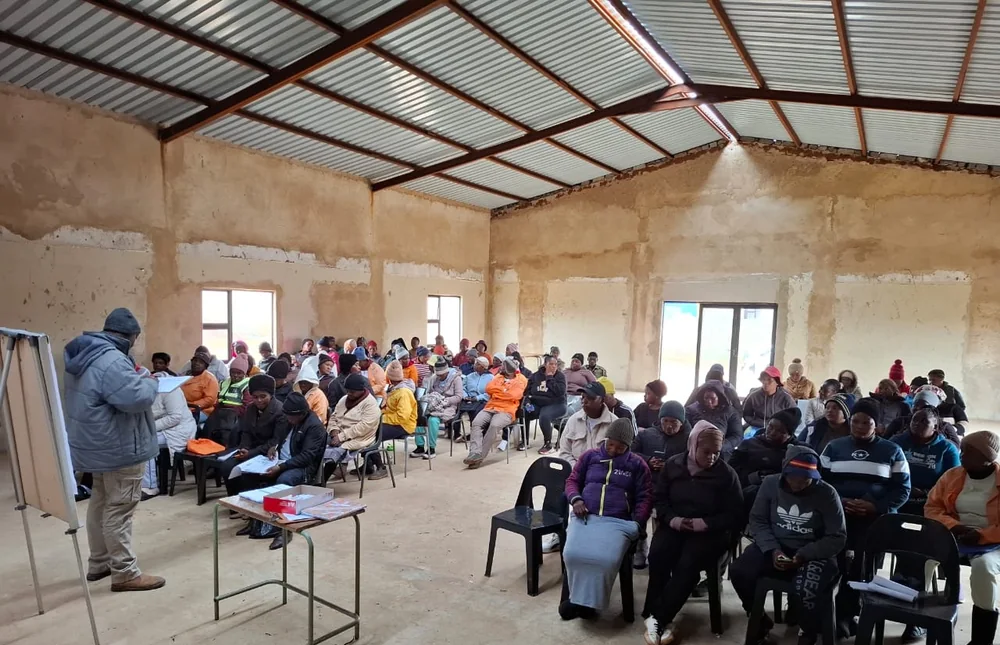
Development initiatives are most effective when they respond to genuine needs and are supported by those who will ultimately benefit from them. Community development should also respond to opportunities that drive economic growth and increase the participation of local people in the economy in a manner that is sustainable and ecologically friendly — the shift towards a green economy and sustainable communities. Herein, it is important that communities are not left behind or dislocated from development programmes and projects.
Whether the focus is skills development, education, sustainable livelihoods, agriculture, enterprise development, infrastructure investment, youth programmes, healthcare, or local economic development, engagement provides the foundation upon which sustainable initiatives are built.
Community development is not simply about delivering projects. It is about creating long-term value through trust, participation, collaboration, and shared responsibility.
Building Relationships That Last
The most successful organisations understand that stakeholder engagement is not a once-off event. It is an ongoing process of relationship building, communication, learning, adapting and collaboration.
When communities are engaged early and meaningfully, organisations are better positioned to understand risks, identify opportunities, and develop initiatives that create lasting value. Strong relationships build trust, and trust creates the conditions needed for multi-stakeholder partnership to drive successful sustainable development.
As South Africa's development landscape continues to evolve, meaningful and inclusive stakeholder engagement will remain one of the most important tools for creating positive social impact, building capacity, and strengthening the partnerships that drive lasting change.
Umsizi's experience has consistently shown, over two decades of stakeholder engagement work, that when people are placed at the centre of development, projects become more relevant, communities become active participants rather than passive recipients, and the benefits are much more likely to endure long after implementation — even outliving those who made the investments.
Umsizi Sustainable Social Solutions (Pty) Ltd designs and implements stakeholder engagement processes for mining, infrastructure and social investment programmes across South Africa. Get in touch to discuss your engagement strategy.